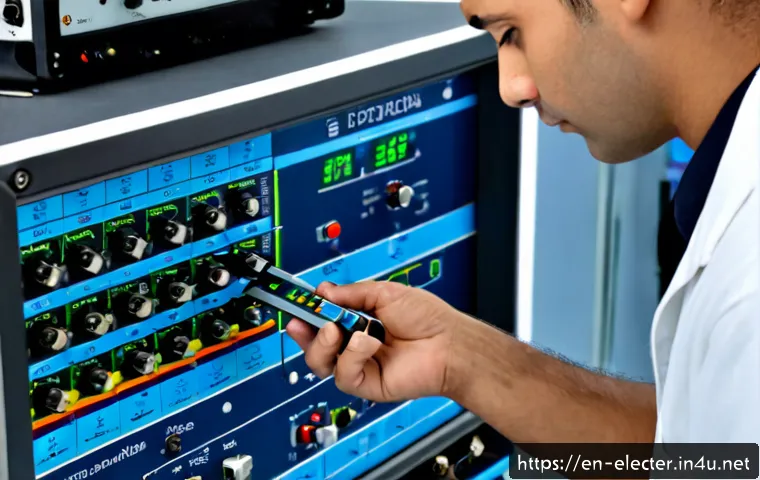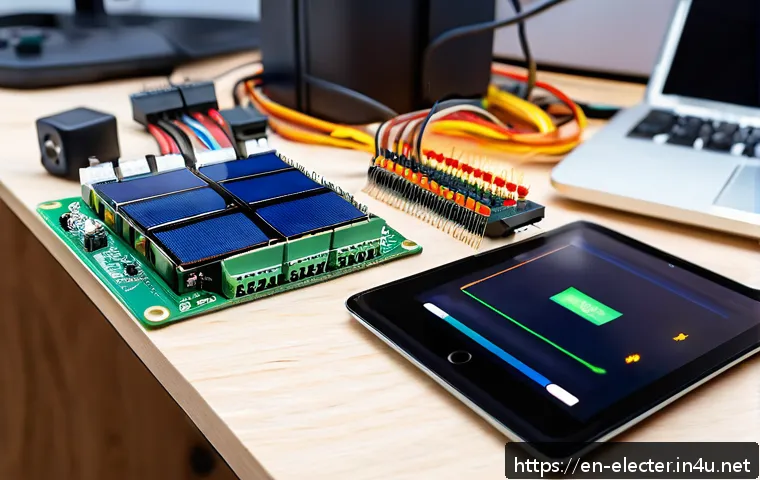
With the rapid evolution of automotive technology, Electronic Control Units (ECUs) have become the heart of modern vehicles, powering everything from safety features to infotainment systems.
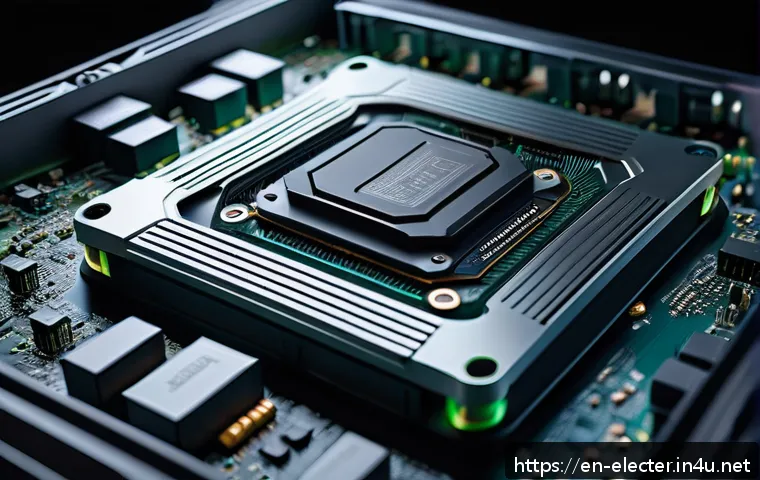
As cars get smarter and more connected, understanding the design behind these critical components is more important than ever. In this post, we’ll dive into real-world case studies that showcase how innovative ECU designs are shaping the future of mobility.
Whether you’re an enthusiast or a professional, these insights reveal the challenges and breakthroughs driving the automotive industry forward. Let’s explore how cutting-edge engineering is steering innovation on the road today.
Modular ECU Architectures for Enhanced Flexibility
Breaking Down Complexity with Modular Design
Modern vehicles are a complex web of systems, and ECUs must handle numerous functions seamlessly. Modular ECU architectures allow designers to split complex vehicle control tasks into smaller, manageable units.
Each module can be developed, tested, and updated independently, which significantly speeds up development cycles and improves reliability. For example, safety-critical modules such as braking control are isolated from infotainment systems, reducing risks of system-wide failures.
From my experience working with automotive suppliers, this modularity also helps in customizing vehicles for different markets without redesigning the entire ECU platform.
Scalability for Different Vehicle Models
One of the biggest advantages of modular ECUs is scalability. Automakers can use the same basic modules across multiple vehicle platforms, adding or removing functions depending on the model or trim level.
This reduces both hardware costs and software complexity. A luxury sedan might feature advanced driver-assistance modules, while an entry-level model shares the same core ECU but with fewer features enabled.
This approach not only streamlines manufacturing but also simplifies aftermarket upgrades, as new modules can be integrated without replacing the entire control unit.
Challenges in Integration and Communication
Despite the benefits, modular ECU designs require robust communication protocols to ensure modules work harmoniously. Latency and synchronization become critical, especially in real-time safety systems.
Designers often rely on automotive-grade CAN (Controller Area Network) and Ethernet protocols to connect modules efficiently. However, ensuring low latency and fault tolerance demands careful hardware and software co-design.
From hands-on troubleshooting, I’ve seen how subtle timing issues can cause unexpected system behavior, underscoring the need for rigorous testing and validation.
ECU Cybersecurity Strategies in Connected Vehicles
Threat Landscape and Vulnerabilities
As vehicles become more connected, ECUs are increasingly exposed to cybersecurity threats. Attackers can exploit vulnerabilities to gain unauthorized access, potentially compromising vehicle safety or privacy.
Real-world incidents have shown how hackers can remotely disable braking systems or manipulate engine controls. Understanding these risks is crucial for ECU designers.
I’ve personally witnessed the evolution of cybersecurity protocols from simple password protections to advanced encryption and intrusion detection systems embedded within the ECU firmware.
Implementing Secure Boot and Firmware Updates
Secure boot mechanisms ensure that only authenticated and untampered firmware runs on the ECU, preventing malicious code execution. Additionally, over-the-air (OTA) updates have become standard, allowing manufacturers to patch vulnerabilities quickly without physical recalls.
However, this requires careful design to verify update authenticity and prevent rollback attacks. During a project with a major automaker, we implemented multi-layered verification processes, including cryptographic signatures and hardware root-of-trust modules, significantly improving security confidence.
Balancing Security and Performance
One tricky aspect of cybersecurity in ECUs is balancing protection with system performance and power consumption. Heavy encryption and continuous monitoring can introduce delays and increase energy use, which might affect real-time control tasks.
Designers often optimize cryptographic algorithms and use hardware accelerators to mitigate these impacts. From practical experience, close collaboration between cybersecurity experts and ECU engineers is essential to achieve a secure yet responsive system.
AI and Machine Learning Integration in ECU Design
Enhancing Decision-Making Capabilities
The incorporation of AI and machine learning into ECU design is transforming how vehicles interpret sensor data and make decisions. Instead of relying solely on predefined rules, modern ECUs can learn from driving patterns and environmental conditions to optimize performance and safety.
For instance, adaptive cruise control systems now use AI algorithms to better predict traffic flow and adjust speed proactively. I found this especially fascinating when testing prototype vehicles that dynamically adjusted braking force based on real-time road friction estimates.
Hardware Considerations for AI Processing
Running AI models directly on ECUs demands specialized hardware such as neural processing units (NPUs) or GPUs integrated within the control unit. This hardware must balance computational power with automotive-grade reliability and thermal constraints.
One challenge I encountered was ensuring consistent performance across temperature extremes without compromising longevity. Automotive-grade AI chips are now designed with fail-safe mechanisms and redundancy to meet these stringent requirements.
Data Management and Privacy Concerns
AI-driven ECUs generate and process vast amounts of data, raising questions about data storage, transmission, and privacy. Designers must implement secure data handling protocols compliant with regulations like GDPR.
Additionally, edge computing strategies minimize the need to send sensitive data to the cloud, reducing privacy risks and latency. In a recent collaboration, we developed a data anonymization layer within the ECU software to protect user identity while still enabling valuable analytics.
Power Management Techniques in ECU Systems
Optimizing Energy Consumption
Efficient power management is vital for ECUs, especially in electric and hybrid vehicles where every watt counts. Designers employ strategies such as dynamic voltage scaling and power gating to reduce energy use during idle periods.
From direct involvement in power optimization projects, I noticed how even small improvements in power efficiency can extend battery life and reduce overall vehicle emissions.
These techniques also contribute to thermal management, preventing overheating in densely packed ECU boards.
Battery Management System Integration
ECUs often include or interface with battery management systems (BMS) to monitor cell voltages, temperatures, and state of charge. Accurate BMS integration ensures safe and efficient battery operation, critical for electric vehicles.
I recall working on a system where the ECU had to balance power delivery for propulsion and auxiliary systems without exceeding thermal limits, requiring intricate control algorithms and real-time feedback loops.

Fail-Safe and Redundancy Approaches
Power interruptions or fluctuations can have serious consequences in automotive ECUs. To mitigate this, redundant power supplies and fail-safe circuits are incorporated.
For example, critical control modules might have backup capacitors or batteries to maintain operation during transient power loss. Designing these systems involves trade-offs between cost, weight, and reliability.
I’ve seen firsthand how thorough testing under simulated fault conditions can uncover weaknesses that would otherwise go unnoticed.
Real-Time Operating Systems (RTOS) in ECU Implementation
Ensuring Deterministic Behavior
Real-time operating systems are fundamental in guaranteeing that ECUs respond predictably to time-sensitive events. Unlike general-purpose OS, RTOS prioritize task scheduling to meet strict deadlines, which is essential for safety-critical functions like airbag deployment or engine control.
Working closely with embedded software teams, I observed how RTOS selection impacts latency, jitter, and overall system stability, influencing both software design and hardware choice.
Multitasking and Resource Allocation
ECUs often run multiple concurrent processes, from sensor data acquisition to communication with other vehicle systems. RTOS provide mechanisms for multitasking and efficient resource allocation to prevent conflicts and ensure smooth operation.
During development, we optimized task priorities and memory usage to avoid bottlenecks, which improved response times and reduced CPU load. These improvements directly translated into better vehicle performance and safety.
Certification and Compliance Challenges
Automotive ECUs must comply with stringent safety standards such as ISO 26262, which govern functional safety requirements. RTOS used in these systems need certification to demonstrate reliability under fault conditions.
Achieving this involves rigorous testing, documentation, and often collaboration with RTOS vendors. From my experience, early involvement of safety engineers in RTOS selection and integration helps avoid costly redesigns later in the development cycle.
Comparative Overview of ECU Technologies
| Feature | Traditional ECUs | Modular ECUs | AI-Enabled ECUs | Cybersecure ECUs |
|---|---|---|---|---|
| Flexibility | Low, monolithic design | High, modular approach | Adaptive, learns from data | Secured communication channels |
| Development Cycle | Long and rigid | Faster updates for modules | Continuous learning and updates | Frequent OTA security patches |
| Hardware Requirements | Basic microcontrollers | Multiple specialized units | NPUs, GPUs integrated | Hardware security modules |
| Security | Minimal, basic encryption | Moderate, depends on module | High, data encryption and privacy | Advanced cryptography and intrusion detection |
| Use Cases | Engine control, basic safety | Customized vehicle configurations | Advanced driver assistance, autonomous driving | Connected cars, V2X communication |
Innovative Testing and Validation Methods for ECUs
Hardware-in-the-Loop (HIL) Simulation
Testing ECUs in a realistic environment without risking actual vehicles is achieved through HIL simulation. This method connects the ECU to a real-time simulator that mimics vehicle sensors and actuators.
It allows engineers to validate ECU behavior under various scenarios, including extreme conditions. In my own projects, HIL testing caught subtle timing errors and sensor faults that traditional bench tests missed, saving costly recalls and ensuring safer final products.
Software-in-the-Loop (SIL) Testing
Before hardware prototypes are available, SIL testing enables developers to simulate ECU software on virtual platforms. This accelerates software verification and integration by providing early feedback on algorithm performance and fault handling.
I found SIL particularly useful when iterating AI models embedded in ECUs, as it allowed rapid experimentation without the overhead of physical hardware setups.
Field Testing and Data Analytics
No testing strategy is complete without real-world validation. ECUs deployed in test vehicles generate vast amounts of telemetry data, which engineers analyze to identify issues and optimize performance.
Leveraging cloud-based analytics platforms, teams can detect patterns and predict failures before they occur. From my experience, combining field data with simulation results creates a powerful feedback loop that drives continuous improvement in ECU design.
Conclusion
Modular ECU architectures, cybersecurity advancements, AI integration, power management, and real-time operating systems collectively shape the future of automotive control units. These technologies not only improve vehicle performance and safety but also enable faster development and adaptability to evolving market demands. Drawing from hands-on experience, it’s clear that thoughtful design and rigorous testing are key to unlocking the full potential of modern ECUs.
Useful Information to Keep in Mind
1. Modular ECU design enhances flexibility and allows independent updates, reducing overall development time and increasing reliability.
2. Cybersecurity in ECUs must balance strong protection with performance, utilizing secure boot, OTA updates, and hardware-based security features.
3. AI integration in ECUs offers smarter decision-making but requires specialized hardware and careful data privacy management.
4. Effective power management extends battery life and prevents overheating, especially critical in electric and hybrid vehicles.
5. Advanced testing methods like HIL and SIL, combined with real-world data analytics, are essential to validate ECU performance and safety before mass deployment.
Key Takeaways
Understanding the modular approach to ECU design is crucial for building scalable and customizable vehicle systems. Security measures must be integrated early and continuously updated to protect connected vehicles. Incorporating AI demands both hardware innovation and strict privacy controls. Power efficiency remains a cornerstone in ECU reliability, especially as electrification grows. Finally, comprehensive testing and validation strategies ensure that these complex systems operate flawlessly in real-world conditions.
Frequently Asked Questions (FAQ) 📖
Q: What are the main challenges engineers face when designing modern ECUs for vehicles?
A: One of the biggest challenges is balancing performance with reliability and safety. ECUs must process vast amounts of data in real-time, especially with autonomous driving features and advanced driver-assistance systems (ADAS).
Engineers also have to ensure the hardware and software are robust against harsh automotive environments like extreme temperatures and electromagnetic interference.
Additionally, with increasing connectivity, cybersecurity becomes a critical concern to prevent hacking or unauthorized access. From my experience, integrating all these factors while keeping costs manageable requires careful system architecture and rigorous testing.
Q: How do innovative ECU designs improve vehicle safety and user experience?
A: Cutting-edge ECU designs enable faster processing and better integration between different vehicle systems, which directly enhances safety features like collision avoidance, adaptive cruise control, and lane-keeping assistance.
For example, real-time sensor fusion powered by advanced ECUs allows the car to react quicker and more accurately to road conditions. On the user experience side, modern ECUs support sophisticated infotainment, voice control, and personalized settings, making drives more enjoyable and intuitive.
Having worked with some of these systems, I noticed how seamless communication between ECUs can transform a vehicle from just a machine into a smart companion on the road.
Q: What future trends should we expect in ECU technology for upcoming vehicles?
A: Looking ahead, we can expect ECUs to become even more powerful and interconnected, with a shift toward centralized computing platforms rather than multiple isolated units.
This trend allows for easier updates, improved diagnostics, and better resource management. Artificial intelligence and machine learning will also play a bigger role in enabling predictive maintenance and autonomous functions.
Plus, as electric vehicles gain popularity, ECUs will handle more complex battery management and energy optimization tasks. Based on recent developments I’ve seen, the future of ECUs is about smarter, safer, and more efficient vehicles that adapt dynamically to both driver needs and environmental conditions.