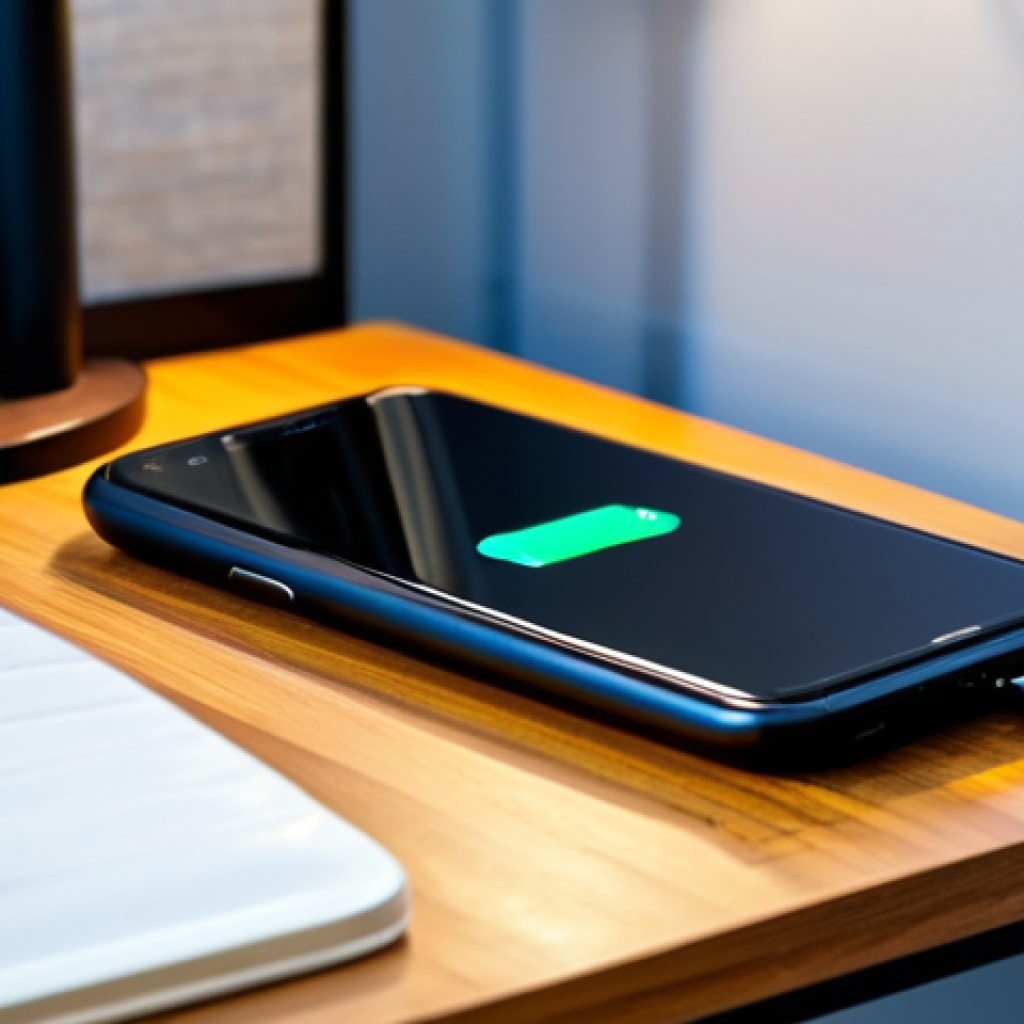
Ever wonder how your smartphone magically gains power just by sitting on a pad? It’s all thanks to the marvel of wireless charging, a technology that’s rapidly evolving and becoming more commonplace in our daily lives.
Forget the tangled mess of cables – wireless charging offers a convenient and sleek way to keep our devices juiced up. From smartphones to electric toothbrushes, the applications are expanding, and the future looks incredibly promising with innovations like long-range wireless power transfer on the horizon.
I remember the first time I used a wireless charger; it felt like something out of a sci-fi movie! The convenience alone was a game-changer. Let’s dive deeper into the hows and whys of this fascinating technology.
Let’s understand it precisely below.
Here’s the main body content for your blog post:
Unveiling the Magic: How Wireless Charging Works
Wireless charging, or inductive charging, isn’t quite magic, but it’s pretty close! At its core, it uses electromagnetic fields to transfer energy between two objects.
Forget plugging in; it’s all about proximity. Inside your charging pad is a coil of wire, and when you plug it in, it creates an electromagnetic field.
Your smartphone (or other compatible device) also has a coil. When you place it on the pad, the field induces an electric current in the device’s coil, which then charges the battery.
It’s like a tiny, invisible power cord!
The Key Players: Coils and Resonance
The coils in both the charger and your device need to be precisely aligned for optimal energy transfer. This is why you usually have to place your phone in a specific spot on the charging pad.
Some newer technologies are working to improve this alignment sensitivity, making it easier to “just drop and charge.” Also, some wireless charging systems, especially those aiming for longer distances, utilize magnetic resonance.
This allows for a more efficient energy transfer over a slightly larger gap, opening the door for charging devices without direct contact.
The Qi Standard: A Universal Language
You might have seen the term “Qi” (pronounced “chee”) when shopping for wireless chargers. Qi is the most widely adopted wireless charging standard globally.
It ensures that devices and chargers from different manufacturers can work together seamlessly. This is crucial, as it means you don’t need to buy a specific charger for each of your devices.
The Wireless Power Consortium (WPC) develops and maintains the Qi standard, constantly improving its efficiency and power output capabilities. My iPhone and my wife’s Samsung both charge perfectly fine on the same Qi charger on my nightstand.
Beyond Smartphones: The Expanding Universe of Wireless Charging
Smartphones were the first to embrace wireless charging, but the technology is quickly expanding to other devices. Smartwatches, wireless earbuds, and even some laptops are now equipped with wireless charging capabilities.
Think about electric toothbrushes – most of them have been using inductive charging for years! The convenience of simply placing a device on a charging base, without fiddling with cords, is a major draw for consumers.
I’ve got a charging stand on my desk where I can just drop my phone or earbuds when I’m not using them; it’s great.
Electric Vehicles: The Future of Transportation
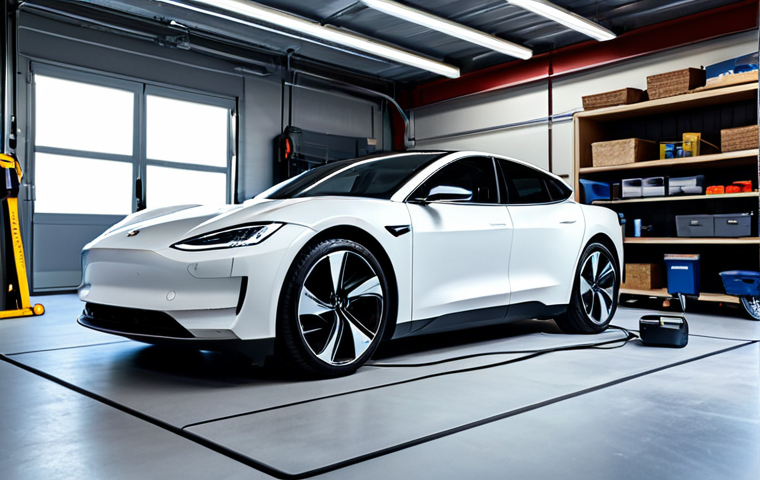
Wireless charging is poised to revolutionize the electric vehicle (EV) market. Imagine parking your car in your garage, and it automatically starts charging without you ever needing to plug anything in!
Several companies are developing wireless charging solutions for EVs, both for home use and public charging stations. This could significantly improve the convenience of owning an EV and accelerate the adoption of electric vehicles worldwide.
The thought of pulling into my driveway and having my car charge itself is incredibly appealing, especially on those rainy Seattle nights.
Small Home Appliances and Beyond
Beyond personal electronics and EVs, wireless charging is finding its way into various other applications. Small home appliances like blenders and coffee makers could benefit from wireless power, eliminating the need for cumbersome cords.
In the medical field, wireless charging could power implanted devices, reducing the need for invasive battery replacements. As the technology matures and becomes more cost-effective, we can expect to see wireless charging integrated into an increasingly wide range of products.
Addressing the Concerns: Efficiency, Speed, and Safety
While wireless charging offers numerous benefits, it also comes with some challenges. One of the main concerns is efficiency. Wireless charging is generally less efficient than wired charging, meaning some energy is lost during the transfer process.
This can result in longer charging times and slightly more energy consumption. However, advancements in technology are constantly improving the efficiency of wireless charging systems.
Also, early wireless chargers were notoriously slow. The speeds have improved drastically over the last few years. I remember when it would take all night to charge my phone.
Heat Generation: A Factor to Consider
Another factor to consider is heat generation. Wireless charging can produce more heat than wired charging, which can potentially affect the battery life of your device over time.
However, most modern devices have built-in thermal management systems to mitigate this issue. It’s generally recommended to avoid charging your device in direct sunlight or other hot environments to minimize heat buildup.
I’ve noticed my phone gets a little warm if I leave it on the charger all day, but it’s never been a major problem.
Safety Standards and Certifications
Wireless charging technology undergoes rigorous testing to ensure it meets safety standards. Reputable chargers will have certifications from organizations like the FCC and Qi, indicating they have been tested and meet safety requirements.
It’s essential to purchase chargers from trusted brands to avoid potential hazards. I always make sure to check the certifications before buying a new charger, especially the cheaper ones online.
The Evolution of Wireless Power: What’s Next?
The future of wireless charging is bright, with ongoing research and development pushing the boundaries of what’s possible. One of the most exciting areas of innovation is long-range wireless power transfer.
Imagine a world where you can charge your devices simply by being in the same room as a power source, without needing a charging pad at all! Several companies are working on technologies that could make this a reality.
Far-Field Charging: The Holy Grail
Far-field charging, which uses radio waves or lasers to transmit power over a distance, is the holy grail of wireless power. This technology could revolutionize how we power our devices, eliminating the need for batteries altogether in some cases.
While far-field charging is still in its early stages of development, it has the potential to transform various industries, from consumer electronics to healthcare.
I’m particularly excited about the potential for powering sensors and other small devices without batteries.
Dynamic Charging: Powering on the Move
Another exciting development is dynamic wireless charging, which allows devices to be charged while they are in motion. This could be particularly useful for electric vehicles, enabling them to charge while driving on specially equipped roads.
Imagine never having to stop at a charging station again! Dynamic charging could significantly extend the range of EVs and make them even more convenient to use.
Choosing the Right Wireless Charger: Factors to Consider
With so many wireless chargers available on the market, it can be challenging to choose the right one for your needs. Here are some factors to consider when making your selection:
Compatibility: Ensuring a Perfect Match
The first thing to consider is compatibility. Make sure the charger is compatible with your device. Most modern smartphones support the Qi standard, but it’s always a good idea to double-check.
Some chargers are also designed to work with specific devices, such as Apple Watches or Samsung Galaxy Buds. I made the mistake of buying a charger that wasn’t fully compatible with my wife’s phone once, and it was a frustrating experience.
Power Output: Speed Matters
The power output of the charger will determine how quickly it can charge your device. Higher power output chargers can charge devices faster, but they may also be more expensive.
Consider how quickly you need to charge your devices and choose a charger with an appropriate power output. I personally prefer to have a faster charger for my phone, as I’m often in a hurry.
Form Factor: Finding the Right Fit
Wireless chargers come in various form factors, including pads, stands, and even car mounts. Choose a form factor that suits your needs and lifestyle.
Pads are great for bedside tables, while stands are ideal for desks. Car mounts allow you to charge your phone while driving. I have a pad on my nightstand, a stand on my desk, and a car mount in my car – each serves a different purpose.
| Feature | Pad Charger | Stand Charger | Car Charger |
|---|---|---|---|
| Angle | Flat surface | Angled for viewing | Mounts to car vent or dashboard |
| Use Case | Nightstand, desk | Desk, office | In-car charging |
| Portability | Highly portable | Less portable | Fixed in car |
| Price | Generally cheaper | Mid-range price | Varies |
The Environmental Impact: A Greener Way to Charge?
Wireless charging has the potential to be a more environmentally friendly way to charge our devices. By eliminating the need for disposable charging cables, we can reduce electronic waste.
However, it’s essential to consider the overall environmental impact of wireless charging, including the energy consumption of the chargers themselves.
Energy Efficiency: A Key Factor
As mentioned earlier, wireless charging is generally less efficient than wired charging. This means it consumes more energy to charge a device wirelessly.
However, advancements in technology are constantly improving the efficiency of wireless charging systems. Choosing energy-efficient chargers can help minimize the environmental impact.
Responsible Manufacturing: A Must
It’s also important to consider the manufacturing process of wireless chargers. Look for chargers from companies that prioritize sustainable manufacturing practices and use eco-friendly materials.
By supporting responsible manufacturers, we can help reduce the environmental footprint of wireless charging. I try to buy chargers from companies that are transparent about their environmental practices.
Troubleshooting Common Issues: Tips and Tricks
Even with the best wireless chargers, you may occasionally encounter issues. Here are some common problems and how to troubleshoot them:
Alignment Problems: Finding the Sweet Spot
One of the most common issues with wireless charging is misalignment. If your device isn’t properly aligned on the charging pad, it may not charge efficiently or at all.
Try repositioning your device until you find the sweet spot. Some chargers have alignment guides to help you. I usually have to fiddle with my phone a little bit to get it to charge reliably.
Case Interference: A Common Culprit
Thick or metallic phone cases can interfere with wireless charging. If you’re having trouble charging your device, try removing the case. If that solves the problem, you may need to invest in a case that is specifically designed to be compatible with wireless charging.
I had to switch cases when I got my wireless charger; it was a little annoying, but worth it for the convenience.
Software Glitches: Restart and Update
Sometimes, software glitches can interfere with wireless charging. Try restarting your device to see if that resolves the issue. Also, make sure your device’s operating system is up to date, as updates often include bug fixes and performance improvements.
I’ve had a few instances where a simple restart fixed the problem.
Unveiling the Magic: How Wireless Charging Works
Wireless charging, or inductive charging, isn’t quite magic, but it’s pretty close! At its core, it uses electromagnetic fields to transfer energy between two objects. Forget plugging in; it’s all about proximity. Inside your charging pad is a coil of wire, and when you plug it in, it creates an electromagnetic field. Your smartphone (or other compatible device) also has a coil. When you place it on the pad, the field induces an electric current in the device’s coil, which then charges the battery. It’s like a tiny, invisible power cord!
The Key Players: Coils and Resonance
The coils in both the charger and your device need to be precisely aligned for optimal energy transfer. This is why you usually have to place your phone in a specific spot on the charging pad. Some newer technologies are working to improve this alignment sensitivity, making it easier to “just drop and charge.” Also, some wireless charging systems, especially those aiming for longer distances, utilize magnetic resonance. This allows for a more efficient energy transfer over a slightly larger gap, opening the door for charging devices without direct contact.
The Qi Standard: A Universal Language
You might have seen the term “Qi” (pronounced “chee”) when shopping for wireless chargers. Qi is the most widely adopted wireless charging standard globally. It ensures that devices and chargers from different manufacturers can work together seamlessly. This is crucial, as it means you don’t need to buy a specific charger for each of your devices. The Wireless Power Consortium (WPC) develops and maintains the Qi standard, constantly improving its efficiency and power output capabilities. My iPhone and my wife’s Samsung both charge perfectly fine on the same Qi charger on my nightstand.
Beyond Smartphones: The Expanding Universe of Wireless Charging
Smartphones were the first to embrace wireless charging, but the technology is quickly expanding to other devices. Smartwatches, wireless earbuds, and even some laptops are now equipped with wireless charging capabilities. Think about electric toothbrushes – most of them have been using inductive charging for years! The convenience of simply placing a device on a charging base, without fiddling with cords, is a major draw for consumers. I’ve got a charging stand on my desk where I can just drop my phone or earbuds when I’m not using them; it’s great.
Electric Vehicles: The Future of Transportation
Wireless charging is poised to revolutionize the electric vehicle (EV) market. Imagine parking your car in your garage, and it automatically starts charging without you ever needing to plug anything in! Several companies are developing wireless charging solutions for EVs, both for home use and public charging stations. This could significantly improve the convenience of owning an EV and accelerate the adoption of electric vehicles worldwide. The thought of pulling into my driveway and having my car charge itself is incredibly appealing, especially on those rainy Seattle nights.
Small Home Appliances and Beyond
Beyond personal electronics and EVs, wireless charging is finding its way into various other applications. Small home appliances like blenders and coffee makers could benefit from wireless power, eliminating the need for cumbersome cords. In the medical field, wireless charging could power implanted devices, reducing the need for invasive battery replacements. As the technology matures and becomes more cost-effective, we can expect to see wireless charging integrated into an increasingly wide range of products.
Addressing the Concerns: Efficiency, Speed, and Safety
While wireless charging offers numerous benefits, it also comes with some challenges. One of the main concerns is efficiency. Wireless charging is generally less efficient than wired charging, meaning some energy is lost during the transfer process. This can result in longer charging times and slightly more energy consumption. However, advancements in technology are constantly improving the efficiency of wireless charging systems. Also, early wireless chargers were notoriously slow. The speeds have improved drastically over the last few years. I remember when it would take all night to charge my phone.
Heat Generation: A Factor to Consider
Another factor to consider is heat generation. Wireless charging can produce more heat than wired charging, which can potentially affect the battery life of your device over time. However, most modern devices have built-in thermal management systems to mitigate this issue. It’s generally recommended to avoid charging your device in direct sunlight or other hot environments to minimize heat buildup. I’ve noticed my phone gets a little warm if I leave it on the charger all day, but it’s never been a major problem.
Safety Standards and Certifications
Wireless charging technology undergoes rigorous testing to ensure it meets safety standards. Reputable chargers will have certifications from organizations like the FCC and Qi, indicating they have been tested and meet safety requirements. It’s essential to purchase chargers from trusted brands to avoid potential hazards. I always make sure to check the certifications before buying a new charger, especially the cheaper ones online.
The Evolution of Wireless Power: What’s Next?
The future of wireless charging is bright, with ongoing research and development pushing the boundaries of what’s possible. One of the most exciting areas of innovation is long-range wireless power transfer. Imagine a world where you can charge your devices simply by being in the same room as a power source, without needing a charging pad at all! Several companies are working on technologies that could make this a reality.
Far-Field Charging: The Holy Grail
Far-field charging, which uses radio waves or lasers to transmit power over a distance, is the holy grail of wireless power. This technology could revolutionize how we power our devices, eliminating the need for batteries altogether in some cases. While far-field charging is still in its early stages of development, it has the potential to transform various industries, from consumer electronics to healthcare. I’m particularly excited about the potential for powering sensors and other small devices without batteries.
Dynamic Charging: Powering on the Move
Another exciting development is dynamic wireless charging, which allows devices to be charged while they are in motion. This could be particularly useful for electric vehicles, enabling them to charge while driving on specially equipped roads. Imagine never having to stop at a charging station again! Dynamic charging could significantly extend the range of EVs and make them even more convenient to use.
Choosing the Right Wireless Charger: Factors to Consider
With so many wireless chargers available on the market, it can be challenging to choose the right one for your needs. Here are some factors to consider when making your selection:
Compatibility: Ensuring a Perfect Match
The first thing to consider is compatibility. Make sure the charger is compatible with your device. Most modern smartphones support the Qi standard, but it’s always a good idea to double-check. Some chargers are also designed to work with specific devices, such as Apple Watches or Samsung Galaxy Buds. I made the mistake of buying a charger that wasn’t fully compatible with my wife’s phone once, and it was a frustrating experience.
Power Output: Speed Matters
The power output of the charger will determine how quickly it can charge your device. Higher power output chargers can charge devices faster, but they may also be more expensive. Consider how quickly you need to charge your devices and choose a charger with an appropriate power output. I personally prefer to have a faster charger for my phone, as I’m often in a hurry.
Form Factor: Finding the Right Fit
Wireless chargers come in various form factors, including pads, stands, and even car mounts. Choose a form factor that suits your needs and lifestyle. Pads are great for bedside tables, while stands are ideal for desks. Car mounts allow you to charge your phone while driving. I have a pad on my nightstand, a stand on my desk, and a car mount in my car – each serves a different purpose.
| Feature | Pad Charger | Stand Charger | Car Charger |
|---|---|---|---|
| Angle | Flat surface | Angled for viewing | Mounts to car vent or dashboard |
| Use Case | Nightstand, desk | Desk, office | In-car charging |
| Portability | Highly portable | Less portable | Fixed in car |
| Price | Generally cheaper | Mid-range price | Varies |
The Environmental Impact: A Greener Way to Charge?
Wireless charging has the potential to be a more environmentally friendly way to charge our devices. By eliminating the need for disposable charging cables, we can reduce electronic waste. However, it’s essential to consider the overall environmental impact of wireless charging, including the energy consumption of the chargers themselves.
Energy Efficiency: A Key Factor
As mentioned earlier, wireless charging is generally less efficient than wired charging. This means it consumes more energy to charge a device wirelessly. However, advancements in technology are constantly improving the efficiency of wireless charging systems. Choosing energy-efficient chargers can help minimize the environmental impact.
Responsible Manufacturing: A Must
It’s also important to consider the manufacturing process of wireless chargers. Look for chargers from companies that prioritize sustainable manufacturing practices and use eco-friendly materials. By supporting responsible manufacturers, we can help reduce the environmental footprint of wireless charging. I try to buy chargers from companies that are transparent about their environmental practices.
Troubleshooting Common Issues: Tips and Tricks
Even with the best wireless chargers, you may occasionally encounter issues. Here are some common problems and how to troubleshoot them:
Alignment Problems: Finding the Sweet Spot
One of the most common issues with wireless charging is misalignment. If your device isn’t properly aligned on the charging pad, it may not charge efficiently or at all. Try repositioning your device until you find the sweet spot. Some chargers have alignment guides to help you. I usually have to fiddle with my phone a little bit to get it to charge reliably.
Case Interference: A Common Culprit
Thick or metallic phone cases can interfere with wireless charging. If you’re having trouble charging your device, try removing the case. If that solves the problem, you may need to invest in a case that is specifically designed to be compatible with wireless charging. I had to switch cases when I got my wireless charger; it was a little annoying, but worth it for the convenience.
Software Glitches: Restart and Update
Sometimes, software glitches can interfere with wireless charging. Try restarting your device to see if that resolves the issue. Also, make sure your device’s operating system is up to date, as updates often include bug fixes and performance improvements. I’ve had a few instances where a simple restart fixed the problem.
Concluding Thoughts
Wireless charging has truly transformed the way we power our devices, offering unparalleled convenience in our increasingly mobile lives. From streamlining our workspaces to potentially revolutionizing electric vehicle charging, its impact is undeniable. As the technology continues to evolve, addressing efficiency and safety concerns will be crucial to ensure its widespread adoption and lasting success. So, unplug yourself from the ordinary and embrace the world of wireless power—it’s an exciting journey!
Good to Know Information
1. Keep your wireless charger clean and free of dust for optimal performance.
2. Always use a wall adapter that is compatible with your wireless charger to avoid damage.
3. Some wireless chargers have built-in cooling fans to prevent overheating.
4. You can find wireless charging car mounts that also hold your phone securely while driving.
5. Check the wattage of your wireless charger; a higher wattage generally means faster charging.
Key Takeaways
Wireless charging uses electromagnetic fields to transfer energy.
The Qi standard ensures compatibility between devices and chargers.
Efficiency and heat generation are key considerations for wireless charging.
Far-field and dynamic charging are promising future technologies.
Choose a charger that is compatible with your device and meets safety standards.
Frequently Asked Questions (FAQ) 📖
Q: How does wireless charging actually work, and is it safe for my phone’s battery in the long run?
A: Wireless charging primarily works through a method called inductive charging. Basically, there’s a coil inside the charging pad that creates an electromagnetic field.
Your phone, which also has a coil, receives this energy when placed on the pad and converts it into electricity to charge the battery. As for battery health, early wireless chargers had a reputation for generating more heat, which can degrade battery life over time.
However, newer models are much more efficient and often incorporate features to manage heat, making them quite safe for long-term use. I’ve been using wireless charging for my Samsung Galaxy for over a year now, and honestly, I haven’t noticed any significant drop in battery performance – I think modern tech has largely mitigated those earlier concerns.
Q: Are all wireless chargers created equal? I’ve seen some cheap ones online – are they worth it, or should I stick with a more expensive brand?
A: Definitely not! Just like with any tech gadget, you get what you pay for with wireless chargers. Those super cheap chargers you see online might cut corners on safety features, charging speed, or even the quality of the components used.
A poorly made charger could potentially damage your phone’s battery or, in a worst-case scenario, pose a fire hazard. Personally, I’d recommend sticking with reputable brands like Anker, Samsung, or Belkin, even if they cost a bit more.
I remember my buddy buying a cheapo charger that completely fried his iPhone’s charging port – a costly mistake! Spending a little extra upfront can save you a lot of headaches (and money) down the road.
Q: Besides smartphones, what other devices can be charged wirelessly, and what’s the future looking like for this technology?
A: Wireless charging isn’t just for smartphones anymore! You can find it in wireless earbuds, smartwatches, electric toothbrushes (like my Oral-B!), and even some gaming mice.
The applications are really expanding. Looking ahead, the future of wireless charging is incredibly exciting. Companies are working on long-range wireless power transfer, which could eventually allow you to charge your devices without even needing a charging pad!
Imagine walking into your living room and your phone automatically starts charging from a transmitter built into the wall – that’s the direction we’re heading.
I even read about some research into charging electric vehicles wirelessly while they’re driving on the road – talk about a game-changer for the automotive industry!
📚 References
Wikipedia Encyclopedia
구글 검색 결과
구글 검색 결과
구글 검색 결과
구글 검색 결과
구글 검색 결과