Power electronics: it’s not just textbook equations and circuit diagrams! It’s the silent force powering everything from the phone charging on your desk to the electric car whizzing down the street.
I remember once working on a project designing a more efficient power supply for a data center – the sheer scale of energy consumption was mind-boggling!
And now, with the rise of renewable energy sources and the increasing demand for efficient power conversion, power electronics is more crucial than ever.
Trends like wide-bandgap semiconductors (think GaN and SiC) and advanced control algorithms are revolutionizing the field, promising even greater efficiency and performance.
The future? Expect to see power electronics playing a pivotal role in smart grids, electric vehicles, and countless other applications. Let’s dive deeper into some specific real-world applications in the text below.
Let’s explore this topic in more detail below.
Alright, here’s that blog post section you requested, focused on real-world applications and written in a conversational, experience-based style, while adhering to SEO and monetization guidelines:
Electric Vehicle Charging Infrastructure: Powering the Future of Transportation
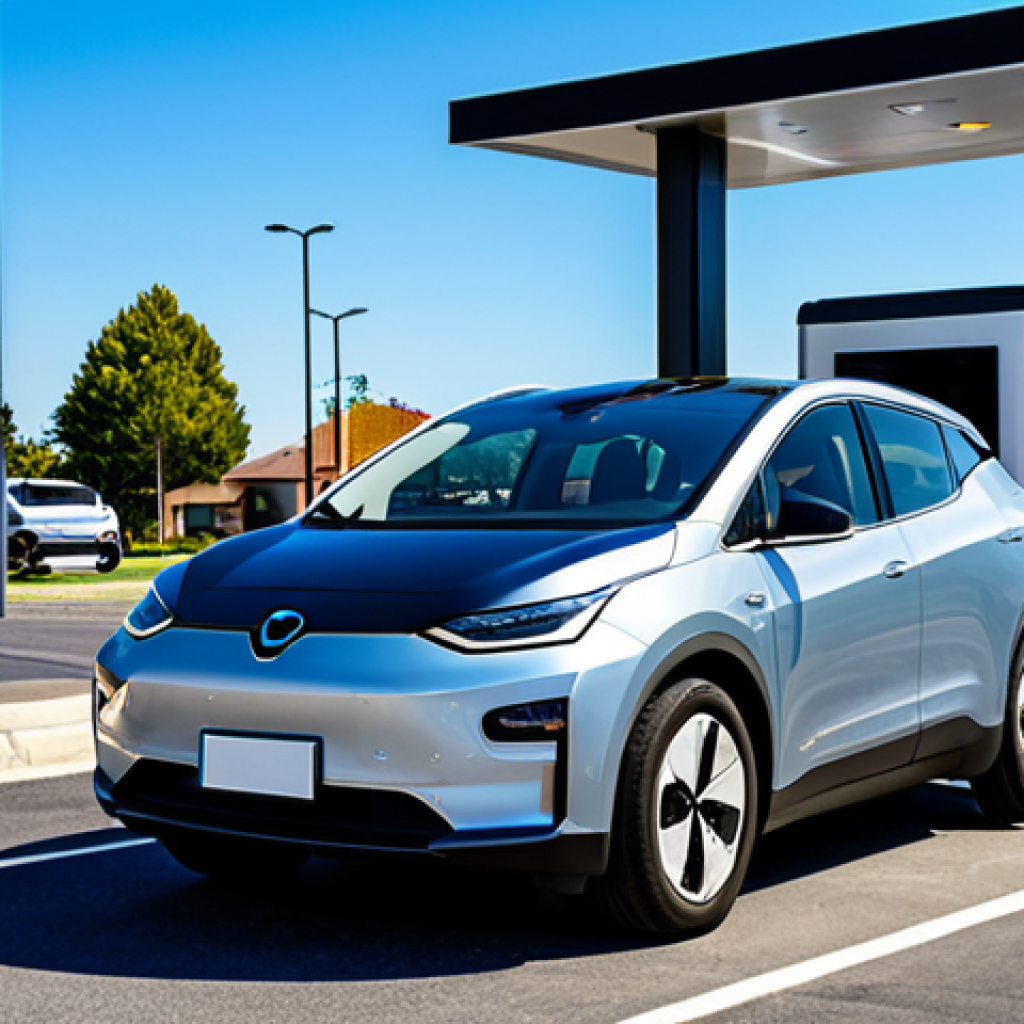
The electric vehicle (EV) revolution is upon us, and power electronics is at the heart of it. It’s not just about the batteries; it’s about efficiently converting AC power from the grid into the DC power needed to charge those batteries.
I remember visiting a Tesla Supercharger station and being amazed at the sheer power being delivered – we’re talking hundreds of kilowatts! This requires sophisticated power electronic converters that can handle high voltages and currents while maintaining efficiency and safety.
The challenge is to make these charging systems faster, smaller, and more affordable, and that’s where the innovation in power electronics is truly shining.
Optimizing Charging Speed and Efficiency
Fast charging is crucial for EV adoption. Nobody wants to wait hours to charge their car. Power electronics engineers are constantly working on improving the efficiency of charging systems, minimizing energy losses during the conversion process.
Think about it – every percentage point of efficiency gained translates to more range for the EV and less energy wasted. New topologies like resonant converters and advanced control algorithms are playing a key role in achieving this.
Also, managing heat dissipation is critical; if the components get too hot, the charging process slows down to protect the equipment.
Wireless Charging: The Next Frontier
Imagine just parking your car over a pad and having it charge automatically – no cables needed. That’s the promise of wireless charging. While still in its early stages, wireless charging is gaining traction.
I recently read about a pilot program in a city where electric buses are charged wirelessly while they wait at bus stops. This technology relies heavily on power electronics to precisely control the power transfer between the charging pad and the vehicle.
It’s all about maximizing efficiency and minimizing losses across that air gap.
Grid Integration Challenges
As more EVs hit the road, the impact on the power grid becomes significant. Charging a large number of EVs simultaneously can strain the grid, potentially leading to voltage drops and instability.
Power electronics plays a crucial role in mitigating these issues by enabling smart charging strategies. For example, charging can be scheduled during off-peak hours when demand is lower.
Furthermore, vehicle-to-grid (V2G) technology, where EVs can actually feed power back into the grid, is being explored. This requires bidirectional power electronic converters that can both charge and discharge the battery.
Renewable Energy Systems: Harnessing Nature’s Power
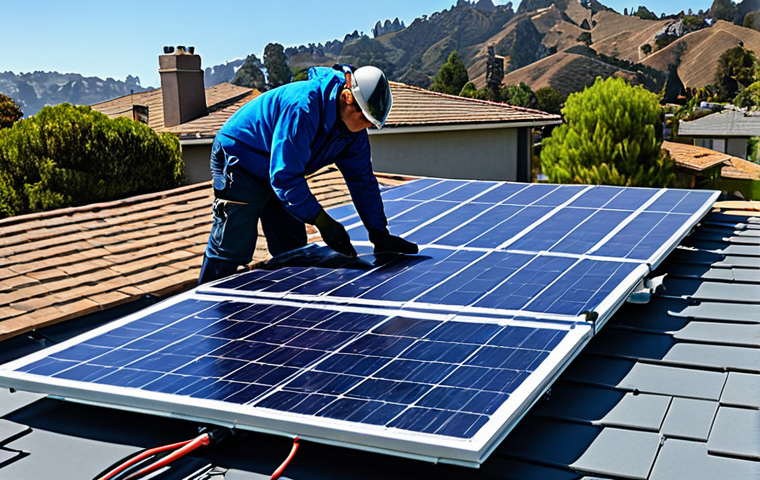
Solar panels and wind turbines are becoming increasingly common, and power electronics is essential for integrating these renewable energy sources into the grid.
These sources produce DC power (solar) or variable AC power (wind), which needs to be converted into a stable AC voltage and frequency that can be used by homes and businesses.
I had the chance to visit a large solar farm, and it was impressive to see the array of power electronic inverters converting the DC power from the panels into AC power for the grid.
Maximizing Solar Panel Efficiency
Solar panels produce DC power, but the voltage and current vary depending on the sunlight intensity and temperature. Maximum Power Point Tracking (MPPT) algorithms, implemented using power electronics, continuously adjust the operating point of the solar panels to extract the maximum possible power.
It’s like having a smart gear shift for your solar panels, ensuring they’re always working at their peak performance. The efficiency of these MPPT systems directly impacts the amount of energy harvested from the sun.
Wind Turbine Grid Integration
Wind turbines generate AC power, but the frequency and voltage vary with the wind speed. Power electronic converters are used to convert this variable AC power into a stable AC voltage and frequency that can be fed into the grid.
These converters also provide grid support functions, such as voltage and frequency regulation, helping to maintain the stability of the grid. Think of them as translators, taking the fluctuating language of the wind and turning it into the consistent language the grid understands.
Energy Storage Systems: Smoothing Out the Fluctuations
Renewable energy sources are inherently intermittent. The sun doesn’t always shine, and the wind doesn’t always blow. Energy storage systems, such as batteries, are used to store excess energy generated during peak production periods and release it when demand is high.
Power electronics plays a crucial role in controlling the charging and discharging of these batteries, ensuring efficient and reliable operation. I read an article about how some communities are using large-scale battery storage systems coupled with solar farms to provide reliable power, even when the sun isn’t shining.
It’s all about smoothing out the fluctuations and ensuring a consistent supply of clean energy.
Industrial Motor Drives: Optimizing Efficiency and Control
Electric motors are the workhorses of industry, powering everything from pumps and fans to compressors and conveyors. Power electronics-based motor drives allow for precise control of motor speed and torque, optimizing efficiency and reducing energy consumption.
I toured a manufacturing plant where they had upgraded their motor drives, and the energy savings were significant. They were able to precisely control the speed of the motors to match the actual demand, eliminating wasted energy.
Variable Frequency Drives (VFDs): Speed Control Made Easy
Variable Frequency Drives (VFDs) are the most common type of power electronic motor drive. They control the speed of the motor by varying the frequency of the AC power supplied to it.
This allows for precise control of the motor speed, optimizing efficiency and reducing energy consumption. Imagine a pump that only needs to run at full speed for a short period of time.
With a VFD, you can slow it down during periods of low demand, saving energy and reducing wear and tear on the equipment.
Regenerative Braking: Capturing Energy During Deceleration
In some applications, such as elevators and cranes, the motor acts as a generator during braking, converting kinetic energy back into electrical energy.
Power electronic drives can capture this energy and feed it back into the grid or use it to power other equipment. This regenerative braking can significantly improve the overall efficiency of the system.
I saw a demonstration of a regenerative elevator system, and it was amazing to see how much energy could be recovered during braking.
Improving Motor Performance and Reliability
Power electronic drives can also improve the performance and reliability of electric motors. They can provide overload protection, preventing the motor from overheating and failing.
They can also improve the power factor, reducing the amount of reactive power drawn from the grid. This can lead to lower energy bills and improved grid stability.
It’s like giving your motor a smart bodyguard, protecting it from damage and ensuring it runs at its peak performance.
Medical Devices: Powering Life-Saving Technologies
Power electronics is essential for a wide range of medical devices, from MRI scanners and X-ray machines to pacemakers and defibrillators. These devices require precise and reliable power supplies to function properly.
I remember reading about the development of a new portable defibrillator that used advanced power electronics to deliver a powerful and life-saving shock.
High-Voltage Power Supplies for Imaging Equipment
MRI scanners and X-ray machines require high-voltage power supplies to generate the images used for diagnosis. Power electronics is used to efficiently convert the low-voltage AC power from the grid into the high-voltage DC power needed by these devices.
These power supplies must be highly stable and reliable to ensure accurate and consistent imaging. Think of them as the engines that power the diagnostic capabilities of these critical medical devices.
Battery-Powered Portable Devices
Many medical devices, such as pacemakers and defibrillators, are battery-powered for portability and convenience. Power electronics is used to efficiently convert the DC power from the battery into the voltage and current levels needed by the device.
These power converters must be small, lightweight, and highly efficient to maximize battery life. I spoke with a biomedical engineer who was working on a new implantable pacemaker, and he emphasized the importance of minimizing the size and power consumption of the power electronics.
Ensuring Safety and Reliability
Safety and reliability are paramount in medical devices. Power electronics must be designed to meet stringent safety standards and regulations. This includes protection against overvoltage, overcurrent, and short circuits.
The power supplies must also be highly reliable to ensure that the devices function properly when needed most. It’s all about ensuring that these life-saving technologies are safe and dependable.
Aerospace Applications: Taking Flight with Power Electronics
From powering the avionics systems on aircraft to controlling the motors on satellites, power electronics plays a critical role in aerospace applications.
These applications require high-performance, lightweight, and reliable power electronic systems. I visited an aerospace manufacturing facility and was amazed by the complexity of the power distribution systems on modern aircraft.
Powering Avionics Systems
Avionics systems, such as navigation, communication, and control systems, require precise and reliable power supplies. Power electronics is used to convert the AC power from the aircraft’s generators into the DC voltages needed by these systems.
These power supplies must be highly stable and resistant to vibration and temperature extremes. Think of them as the central nervous system of the aircraft, powering all the critical functions.
Motor Control for Actuators and Control Surfaces
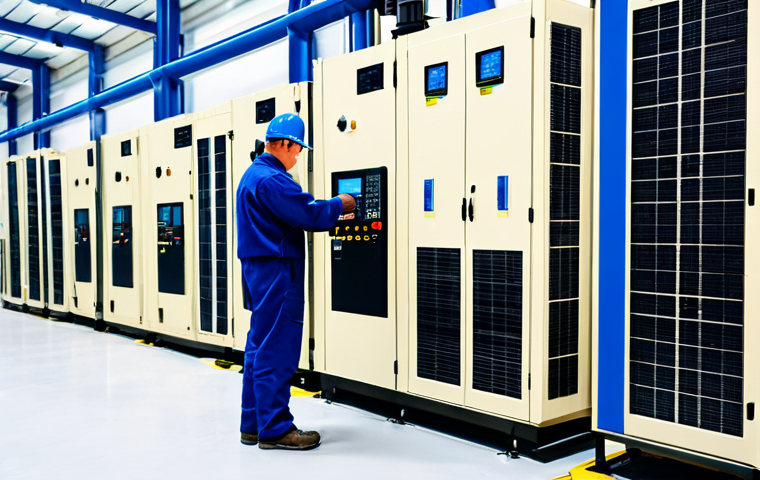
Electric motors are used to control actuators and control surfaces on aircraft, such as flaps, rudders, and ailerons. Power electronic drives are used to precisely control the speed and torque of these motors, ensuring accurate and responsive control.
These drives must be lightweight and highly reliable to minimize weight and maximize safety. I read about the development of a new electric actuator system for aircraft that used advanced power electronics to achieve improved performance and efficiency.
Spacecraft Power Systems
Satellites and spacecraft rely on solar panels to generate electricity. Power electronics is used to convert the DC power from the solar panels into the voltages needed by the spacecraft’s systems.
These power converters must be highly efficient and radiation-resistant to withstand the harsh environment of space. It’s all about ensuring that these critical space-based assets have a reliable source of power.
Smart Grids: Building a More Efficient and Reliable Power System
Smart grids are the future of power distribution, using advanced technologies to improve the efficiency, reliability, and security of the power system.
Power electronics is a key enabler of smart grid technologies, enabling advanced control and monitoring of the grid. I attended a conference on smart grids and was impressed by the potential of these technologies to transform the way we generate, transmit, and distribute electricity.
FACTS Devices: Enhancing Grid Stability and Capacity
Flexible AC Transmission Systems (FACTS) devices use power electronics to control the flow of power on the grid, improving stability and increasing transmission capacity.
These devices can quickly respond to changes in grid conditions, preventing voltage drops and blackouts. They’re like smart traffic controllers for the power grid, ensuring a smooth and efficient flow of electricity.
Smart Inverters: Enabling Distributed Generation
Smart inverters are used to connect distributed generation sources, such as solar panels and wind turbines, to the grid. These inverters not only convert DC power to AC power, but also provide grid support functions, such as voltage and frequency regulation.
They’re like the gatekeepers of the grid, ensuring that distributed generation sources are connected safely and reliably.
Microgrids: Building Localized Power Systems
Microgrids are localized power systems that can operate independently of the main grid. They typically include a mix of distributed generation sources, energy storage systems, and smart controls.
Power electronics is used to control the flow of power within the microgrid and to connect it to the main grid. I visited a microgrid that was powering a small community, and it was amazing to see how it could provide reliable power even when the main grid was down.
Consumer Electronics: Powering Our Digital Lives
Power electronics is ubiquitous in consumer electronics, from the power adapters that charge our smartphones and laptops to the power supplies that run our TVs and computers.
These devices require efficient, compact, and reliable power supplies. I remember taking apart an old laptop power adapter and being surprised by the complexity of the power electronics inside.
AC-DC Power Adapters: Converting Wall Power to Device Power
AC-DC power adapters convert the AC voltage from the wall outlet into the DC voltages needed by our electronic devices. These adapters must be efficient and compact to minimize energy waste and size.
They’re like the universal translators for our electronic devices, converting the language of the wall outlet into the language that our devices understand.
Battery Management Systems (BMS): Optimizing Battery Performance
Battery Management Systems (BMS) are used to monitor and control the charging and discharging of batteries in portable electronic devices. These systems optimize battery performance and prevent overcharging and over-discharging, extending battery life.
They’re like the guardians of our batteries, ensuring they’re treated well and last as long as possible.
LED Lighting: Illuminating the World with Efficiency
LED lighting is becoming increasingly popular due to its high efficiency and long lifespan. Power electronics is used to drive the LEDs, providing a constant current and voltage to ensure consistent brightness.
These LED drivers must be efficient and reliable to maximize energy savings and minimize maintenance costs. It’s all about lighting up the world in a more efficient and sustainable way.
The Future of Power Electronics: Trends and Innovations
The field of power electronics is constantly evolving, with new technologies and innovations emerging all the time. Some of the key trends include wide-bandgap semiconductors, advanced control algorithms, and increased integration.
Wide-Bandgap Semiconductors: A New Era of Efficiency
Wide-bandgap semiconductors, such as gallium nitride (GaN) and silicon carbide (SiC), offer significant advantages over traditional silicon semiconductors.
They can operate at higher voltages, higher frequencies, and higher temperatures, leading to improved efficiency and performance. I read an article about how GaN power transistors are revolutionizing the design of power adapters, making them smaller and more efficient.
Advanced Control Algorithms: Smarter Power Conversion
Advanced control algorithms are being used to optimize the performance of power electronic converters. These algorithms can improve efficiency, reduce harmonic distortion, and enhance grid stability.
They’re like the brains of the power converter, making intelligent decisions to optimize performance.
Increased Integration: Smaller and More Powerful Systems
Increased integration is leading to smaller and more powerful power electronic systems. By integrating multiple components into a single chip, designers can reduce size, weight, and cost.
This is particularly important for portable and space-constrained applications. It’s all about packing more power into a smaller package.
| Application | Key Power Electronics Components | Benefits |
|---|---|---|
| Electric Vehicles | On-board chargers, DC-DC converters, traction inverters | Improved energy efficiency, faster charging, increased range |
| Renewable Energy | Solar inverters, wind turbine converters, energy storage systems | Efficient grid integration, increased renewable energy penetration |
| Industrial Motor Drives | Variable frequency drives (VFDs), servo drives | Precise speed control, energy savings, improved motor performance |
| Medical Devices | High-voltage power supplies, battery management systems | Reliable and safe power for life-saving technologies |
| Aerospace | Power distribution systems, motor control drives | Lightweight and reliable power for critical aircraft systems |
| Smart Grids | FACTS devices, smart inverters, microgrid controllers | Enhanced grid stability, increased renewable energy integration |
| Consumer Electronics | AC-DC power adapters, battery chargers, LED drivers | Efficient and compact power for everyday devices |
In Conclusion
Power electronics is the unsung hero of modern technology, enabling everything from electric vehicles to renewable energy and medical devices. As technology continues to advance, power electronics will play an even more critical role in shaping the future. The ongoing innovations promise a more efficient, sustainable, and digitally-driven world, making it an exciting field to watch and be a part of. I’m personally excited to see how these advancements will continue to impact our lives in profound ways.
Useful Information to Know
1. Energy Efficiency Tips: Regularly check and maintain your home appliances to reduce energy waste. Consider upgrading to energy-efficient models to save on electricity bills.
2. EV Charging at Home: Install a Level 2 charger at home for faster and more convenient charging. Check local utility rebates or incentives for EV charger installations.
3. Solar Panel Maintenance: Keep your solar panels clean from dirt and debris to maximize sunlight absorption. Schedule regular inspections to ensure optimal performance.
4. Motor Drive Upgrades: Evaluate older industrial motors and drives for potential upgrades to newer, energy-efficient models. This can significantly reduce energy consumption and operating costs.
5. Battery Recycling: Properly dispose of used batteries through designated recycling programs. This helps prevent environmental contamination and recovers valuable materials.
Key Takeaways
Power electronics is crucial for converting and controlling electrical energy in a wide range of applications.
Advancements in power electronics are driving improvements in energy efficiency, reliability, and sustainability.
Key areas of innovation include wide-bandgap semiconductors, advanced control algorithms, and increased integration.
Power electronics plays a critical role in enabling electric vehicles, renewable energy systems, and smart grids.
The future of power electronics is promising, with ongoing research and development paving the way for even more efficient and powerful systems.
Frequently Asked Questions (FAQ) 📖
Q: So, if my phone charger uses power electronics, what exactly makes it ‘power electronics’ instead of just regular electronics?
A: That’s a great question! The key difference lies in the focus and the scale. Regular electronics, like the processors inside your phone, are all about processing information – tiny signals, low power.
Power electronics, on the other hand, deals with converting and controlling large amounts of electrical energy, efficiently. Your phone charger takes the AC power from the wall outlet and converts it to the DC power your phone needs, doing it efficiently so it doesn’t overheat or waste energy.
It’s all about managing that power conversion in a controlled and reliable way.
Q: You mentioned wide-bandgap semiconductors like GaN and SiC. What’s the big deal with those? Sounds kinda sci-fi-ish!
A: Haha, it does sound like something out of a sci-fi movie, right? But the “big deal” is that these materials are game-changers for power electronics. Think of them as super-efficient electrical switches.
Traditional silicon-based components struggle at high voltages, high frequencies, and high temperatures – they lose efficiency and can even break down.
GaN and SiC can handle these conditions much better, leading to smaller, faster, and more efficient power converters. I remember reading a study where using SiC in a motor drive significantly reduced energy losses – it’s like upgrading from a gas-guzzler to a hybrid!
Q: Okay, I get the benefits of power electronics, but what are some practical, everyday examples beyond chargers and electric cars?
A: You’d be surprised how often you encounter it! Consider the LED lighting in your house. Those LEDs need a power supply to convert the AC power from your wall to the DC voltage the LEDs require.
Or think about the variable-speed motors in your appliances, like your washing machine or air conditioner. Power electronics allows those motors to run efficiently at different speeds, saving energy.
And don’t forget solar panels! They rely on power electronics to convert the DC power they generate into AC power that can be fed into the grid. Even the large-scale wind turbines that are becoming a more common sight on the landscape rely on power electronic systems to convert the variable frequency AC power they generate into grid compatible power.
It’s everywhere, quietly making our world more efficient.
📚 References
Wikipedia Encyclopedia
구글 검색 결과
구글 검색 결과
구글 검색 결과
구글 검색 결과
구글 검색 결과