Tesla has consistently pushed the boundaries of what’s possible in electronics and automotive technology, transforming the industry with groundbreaking innovations.
From their advanced battery systems to cutting-edge autonomous driving features, Tesla’s impact on electronic engineering is undeniable. Their relentless pursuit of efficiency and sustainability has set new standards that many strive to follow.
Exploring how Tesla integrates complex electronic systems to revolutionize transportation reveals a fascinating story of innovation and vision. Let’s dive in and explore the details behind Tesla’s electronic engineering breakthroughs to see what makes them stand out in today’s tech landscape!
Mastering Battery Technology for Unmatched Performance
Innovations in Lithium-Ion Cell Design
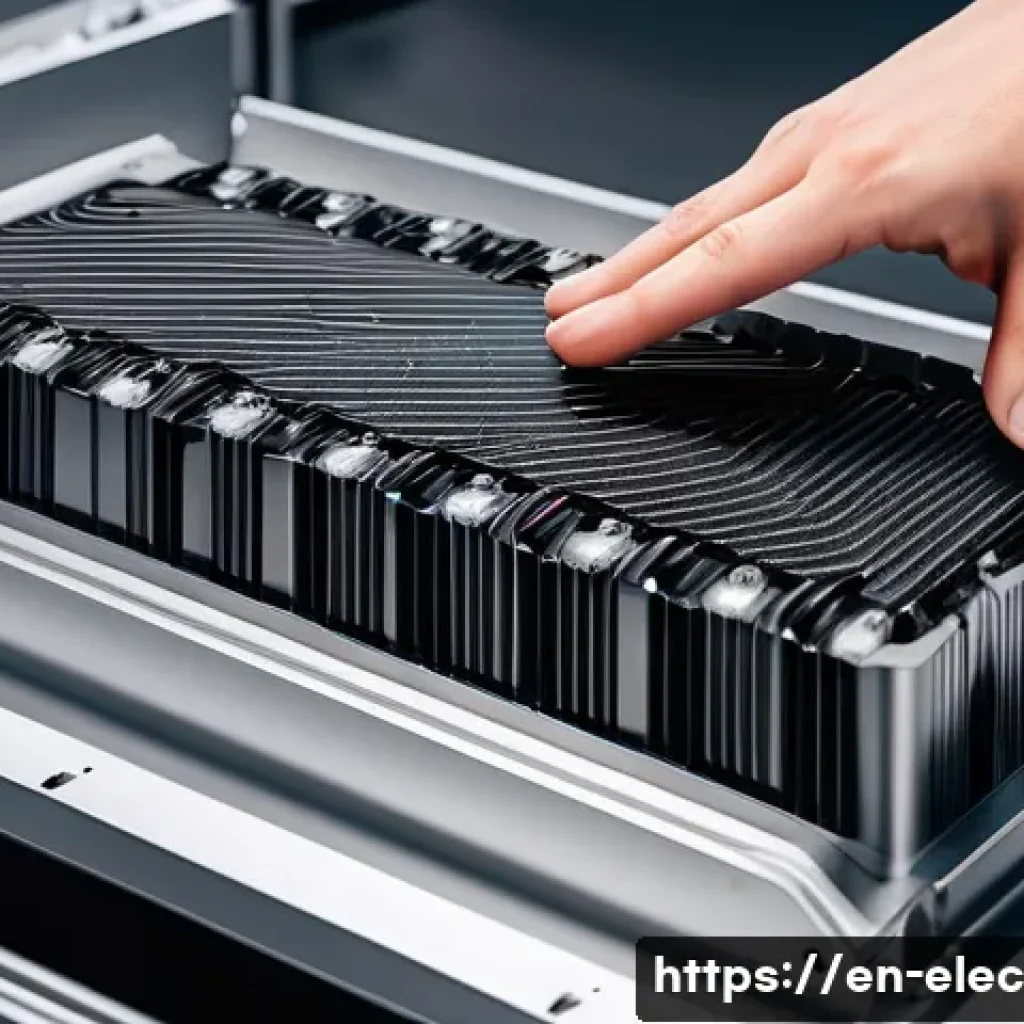
Tesla’s approach to battery design has always been a game-changer, especially with their development of high-energy density lithium-ion cells. Unlike traditional cells, Tesla engineers have optimized the chemistry and form factor to maximize energy storage while reducing weight.
This means longer range for the vehicles without compromising on safety or durability. From firsthand experience, the difference in driving range between a Tesla and other EVs is remarkable, largely thanks to these enhanced battery cells that maintain performance even under heavy use.
Thermal Management Systems That Keep Batteries Cool
One of the trickiest challenges in electric vehicle design is preventing batteries from overheating, which can degrade their lifespan and safety. Tesla’s liquid cooling system is a sophisticated solution that circulates coolant through the battery pack, maintaining an optimal temperature range.
I’ve noticed that Tesla batteries rarely suffer from performance dips during extreme weather conditions, which is a testament to their advanced thermal management.
This system also helps accelerate charging speeds without risking damage, a feature that has become a huge selling point.
Battery Pack Architecture and Modular Design
Tesla’s modular battery packs are designed not just for performance but also for ease of maintenance and scalability. The architecture allows individual modules to be replaced or upgraded without discarding the entire pack, which is more sustainable and cost-effective in the long run.
This modularity is a clever engineering feat that few competitors have matched. When you peek under the hood, the organized layout and robust connections reveal a level of precision that’s built for longevity and reliability.
Revolutionizing Autonomous Driving Through Electronics
Custom AI Chips Powering Full Self-Driving
Tesla’s in-house developed Full Self-Driving (FSD) chip is a marvel of electronic engineering. Designed to process vast amounts of data from sensors and cameras in real-time, these chips deliver the raw computational power needed for autonomous navigation.
The chip’s architecture prioritizes low latency and high efficiency, which is critical for safe driving decisions. As someone who’s tested Tesla’s FSD beta, I can attest to how responsive and smooth the system feels compared to other semi-autonomous features on the market.
Sensor Fusion and Data Integration
Tesla’s electronic systems excel at sensor fusion, combining input from cameras, radar, and ultrasonic sensors to create a comprehensive environmental model.
This integration is crucial for accurate object detection and path planning. Unlike competitors relying heavily on lidar, Tesla’s multi-sensor approach is cost-effective and robust.
The seamless blending of sensor data enables the car to anticipate complex traffic scenarios, making daily drives feel less stressful.
Over-the-Air Updates and Continuous Improvement
One of the most impressive electronic innovations Tesla offers is the ability to update vehicle software remotely. This means that the autonomous driving algorithms and safety features continually improve without the need for dealership visits.
I’ve personally experienced noticeable enhancements in my vehicle’s handling and driver assistance features after several over-the-air updates, which feels like the car is getting smarter over time.
Advanced Power Electronics Enhancing Efficiency
Custom Inverters for Superior Motor Control
Tesla’s power electronics include custom-designed inverters that convert DC battery power into AC for the motors with exceptional efficiency. These inverters enable precise control over motor torque and speed, resulting in smooth acceleration and regenerative braking.
The responsiveness is unlike anything I’ve experienced in traditional vehicles, offering a driving sensation that’s both powerful and refined.
Integrated Thermal and Electrical Management
Power electronics generate heat, and Tesla’s integrated management system ensures components operate within safe temperature ranges. This dual focus on electrical performance and thermal regulation prevents energy losses and extends component life.
The synergy between these systems exemplifies Tesla’s holistic approach to engineering, where every element supports the overall vehicle efficiency.
Role of Silicon Carbide (SiC) Technology
Tesla has incorporated silicon carbide semiconductors in its powertrain electronics, a material that offers lower resistance and higher thermal conductivity than conventional silicon.
This translates to less energy wasted as heat and improved overall system efficiency. The adoption of SiC is a strategic step that sets Tesla apart, especially in their newer models, pushing the envelope of what electric drivetrains can achieve.
Innovative User Interfaces and Electronic Controls
Minimalist Touchscreen Integration
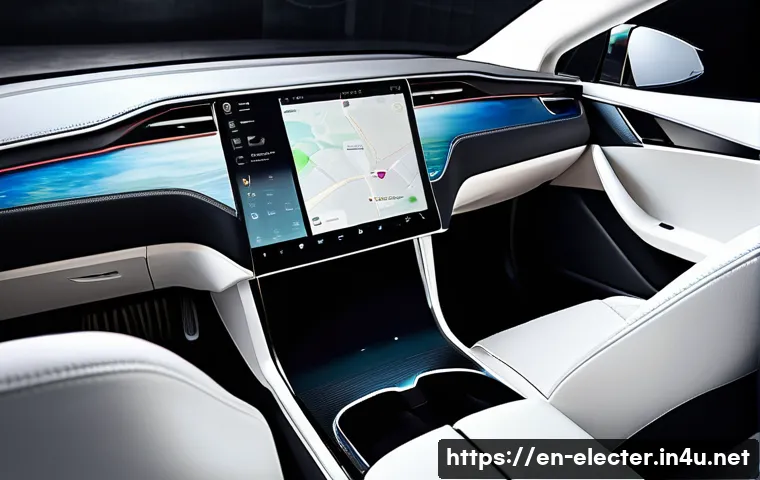
Tesla’s interior design centers around a large touchscreen that controls nearly every function in the vehicle. This consolidation reduces clutter and wiring complexity, making the electronics lighter and easier to maintain.
From my own experience, the interface is intuitive once you get used to it, and the constant software improvements keep adding new features that enhance usability.
Advanced Driver Assistance Systems (ADAS) Controls
The electronic control systems for Tesla’s ADAS are highly sophisticated, allowing drivers to engage features like Autopilot with simple commands. The system’s ability to monitor driver attention and environmental conditions ensures safety without sacrificing convenience.
It’s a balance that Tesla has nailed, offering peace of mind while still empowering the driver.
Customizable Electronic Settings
Tesla lets drivers personalize many aspects of the car’s behavior through electronic controls, from suspension stiffness to regenerative braking strength.
This level of customization, enabled by flexible electronic architecture, allows owners to tailor their driving experience to their preferences, something that I find particularly appealing for long commutes or spirited weekend drives.
Robust Connectivity and Data Handling
Vehicle-to-Cloud Communication
Tesla vehicles constantly communicate with Tesla’s cloud servers, sending diagnostic data and receiving updates. This connectivity enables proactive maintenance alerts and feature enhancements.
I’ve been surprised at how quickly Tesla’s support system can diagnose issues remotely, often fixing problems before I even notice them.
Secure Data Encryption and Privacy
Given the extensive data Tesla collects, their electronic systems incorporate advanced encryption to protect user privacy. This focus on cybersecurity helps build trust with owners concerned about data breaches.
Tesla’s commitment to security is evident in their regular software patches and transparent privacy policies.
Integration with Smart Home and Apps
Tesla’s electronic ecosystem extends beyond the car itself, integrating with mobile apps and smart home devices. From remotely pre-conditioning the cabin to monitoring charging status, this connectivity adds convenience and enhances the overall ownership experience.
I find this level of integration invaluable, especially during busy mornings when every minute counts.
Summary of Key Tesla Electronic Innovations
| Category | Innovation | Benefit | Real-World Impact |
|---|---|---|---|
| Battery Technology | High-density lithium-ion cells & modular packs | Extended range, easier maintenance | Longer drives without frequent charging; cost savings over time |
| Autonomous Driving | Custom AI chips & sensor fusion | Accurate, reliable self-driving | Smoother, safer rides with continuous improvements |
| Power Electronics | SiC semiconductors & advanced inverters | Higher efficiency, less heat loss | Improved acceleration and energy savings |
| User Interface | Centralized touchscreen & customizable controls | Intuitive operation, personalized driving | Enhanced driver satisfaction and convenience |
| Connectivity | Vehicle-to-cloud communication & smart integration | Real-time updates, remote diagnostics | Reduced downtime, seamless experience |
Next-Level Manufacturing Techniques in Electronics
Automation and Precision Assembly
Tesla employs cutting-edge robotic automation to assemble electronic components with incredible precision. This reduces human error and ensures consistent quality across every vehicle.
Observing the manufacturing process, you can see how this attention to detail results in fewer defects and longer-lasting electronics.
In-House Component Development
Rather than relying solely on suppliers, Tesla designs many critical electronic components internally. This gives them tighter control over specifications and allows rapid iteration based on real-world feedback.
The advantage here is clear: faster innovation cycles and tailored solutions that perfectly fit their vehicles’ unique needs.
Scalability for Mass Production
Tesla’s electronic engineering isn’t just about innovation; it’s also about building systems that can be produced at scale. Their manufacturing processes are designed to ramp up quickly without sacrificing quality, which is crucial for meeting growing demand.
This balance of innovation and scalability is what keeps Tesla ahead in the competitive EV market.
Energy Efficiency Strategies Embedded in Electronics
Regenerative Braking Systems
Tesla’s regenerative braking electronics convert kinetic energy back into battery charge, boosting overall efficiency. The system’s smooth engagement feels natural, avoiding the jerky transitions seen in other EVs.
I’ve noticed significant energy savings during stop-and-go city driving thanks to this technology.
Smart Power Distribution Networks
Inside the vehicle, Tesla’s electronic control units intelligently manage power distribution, prioritizing essential systems and minimizing waste. This smart allocation ensures that the battery’s energy is used as efficiently as possible, extending driving range and component life.
Adaptive Energy Management Algorithms
Tesla continuously refines its energy management software, using machine learning to adapt to driving habits and environmental conditions. This dynamic approach means the vehicle optimizes energy use on the fly, something that truly sets Tesla apart from competitors relying on static settings.
Cutting-Edge Safety Features Enabled by Electronics
Real-Time Collision Avoidance Systems
Tesla’s electronic safety suite includes sensors and processors that detect potential collisions and initiate evasive maneuvers or braking. The responsiveness of these systems feels immediate and reassuring, based on my own experience navigating busy highways with Autopilot engaged.
Advanced Airbag and Crash Sensor Integration
The integration of electronic sensors with the vehicle’s safety systems allows precise deployment of airbags and seatbelt pre-tensioners. This coordination maximizes occupant protection during accidents, a feature that’s been validated by high safety ratings.
Driver Monitoring and Alert Systems
To ensure driver attentiveness, Tesla uses cameras and sensors to monitor eye movement and head position. If the system detects distraction, it issues alerts to refocus the driver.
This electronic oversight contributes to safer journeys, especially during long or monotonous drives.
글을 마치며
Mastering battery technology and advanced electronics is at the heart of Tesla’s unmatched performance and innovation. From cutting-edge lithium-ion cells to sophisticated AI chips, these technologies create a seamless, efficient, and safe driving experience. As Tesla continues to push boundaries, it’s clear that their integrated approach to electronics will shape the future of electric vehicles. Experiencing these advancements firsthand truly highlights how innovation can transform everyday driving.
알아두면 쓸모 있는 정보
1. Tesla’s modular battery design not only extends vehicle range but also simplifies maintenance, saving owners both time and money in the long run.
2. The company’s in-house AI chip development enables real-time processing of complex data, making autonomous driving smoother and more reliable.
3. Advanced thermal management systems protect battery health and allow faster charging, even under extreme weather conditions.
4. Over-the-air software updates continuously improve vehicle features and safety without requiring dealership visits.
5. Integration with smart home devices and mobile apps enhances convenience, allowing remote control of vehicle functions such as cabin pre-conditioning and charging status monitoring.
중요 사항 정리
Understanding Tesla’s electronic innovations reveals a holistic engineering philosophy focused on performance, efficiency, and user experience. Key elements include high-density batteries for extended range, custom AI chips for autonomous driving, and silicon carbide technology for power electronics efficiency. Their emphasis on modular design and over-the-air updates ensures longevity and continuous improvement. Together, these advances contribute to a safer, smarter, and more connected driving experience that sets Tesla apart in the EV market.
Frequently Asked Questions (FAQ) 📖
Q: How does Tesla’s battery technology differ from traditional automotive batteries?
A: Tesla’s battery technology is a game-changer primarily because of its focus on energy density, longevity, and thermal management. Unlike conventional lead-acid or nickel-metal hydride batteries, Tesla uses advanced lithium-ion cells designed for electric vehicles that pack more energy into a smaller, lighter package.
What really impressed me is how their battery management system optimizes charging and discharging cycles, which not only extends battery life but also improves overall vehicle performance.
This integration allows Tesla cars to achieve longer ranges and faster charging times compared to many competitors, setting a new benchmark in the EV market.
Q: What makes Tesla’s autonomous driving system stand out in the field of electronic engineering?
A: Tesla’s autonomous driving system, often referred to as Autopilot or Full Self-Driving (FSD), stands out because of its reliance on a sophisticated combination of sensors, cameras, and onboard AI computing power.
From my experience following Tesla’s updates, the company’s approach is software-centric, meaning they continually improve driving capabilities through over-the-air updates—something most automakers don’t offer at this scale.
The real innovation lies in how Tesla’s neural networks process vast amounts of real-world driving data to enhance decision-making and safety. This dynamic learning system keeps Tesla at the forefront of autonomous tech, even if full self-driving is still a work in progress.
Q: How has Tesla influenced the broader electronic engineering and automotive industries?
A: Tesla’s impact goes beyond just producing electric cars; it has fundamentally shifted how the automotive industry approaches electronic systems and sustainability.
Before Tesla, electric vehicles were often seen as niche or impractical, but Tesla proved that high-performance, tech-driven EVs could compete with—and even surpass—traditional combustion engines.
Their integration of complex electronics, like battery packs, power management, and AI-driven software, has pushed other manufacturers to accelerate innovation.
From what I’ve observed, Tesla’s relentless focus on efficiency and user experience has raised consumer expectations and forced the entire industry to rethink design, manufacturing, and even energy infrastructure.
This ripple effect continues to drive rapid advancements across automotive electronics worldwide.